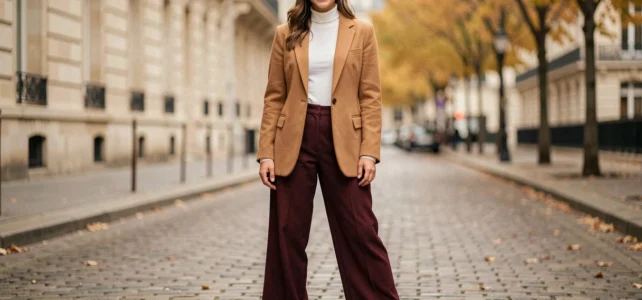
The fashion trends of a season are defined by the silhouettes, materials, and colors that dominate the runways and wardrobes at the same time. For autumn-winter 2026-2027, the collections presented on the catwalks outline a wardrobe where tweed, fitted trousers, and structured cuts take precedence over the relaxed knitwear of previous seasons.
A less visible factor accompanies these aesthetic choices: since July 19, 2026, large companies in the European Union are no longer allowed to destroy their unsold textiles, in accordance with the Ecodesign for Sustainable Products Regulation (ESPR). This regulatory constraint alters the way brands design, produce, and sell their collections.
ESPR Regulation and Autumn-Winter Fashion: What Changes for the Collections
The ban on destroying unsold items, as stipulated by Regulation (EU) 2024/1781, requires brands to document and publish what they discard, under penalty of sanctions. The direct consequence for this season is an increased circulation of unsold stock through extended sales, outlets, resale, or donations.
For buyers, this means broader access to pieces from previous seasons, often offered at reduced prices. Brands, for their part, face increased pressure to design more sustainable and less ephemeral clothing. Following fashion trends on Wow Magazine allows you to spot pieces that transcend multiple seasons without losing their stylistic relevance.
The same ESPR regulation sets the framework for the digital product passport, which will become mandatory for textiles through a delegated act expected around 2027. This system will associate each garment with information about its composition, traceability, and recyclability. The autumn-winter 2026 collections are therefore among the last not to incorporate this level of transparency.
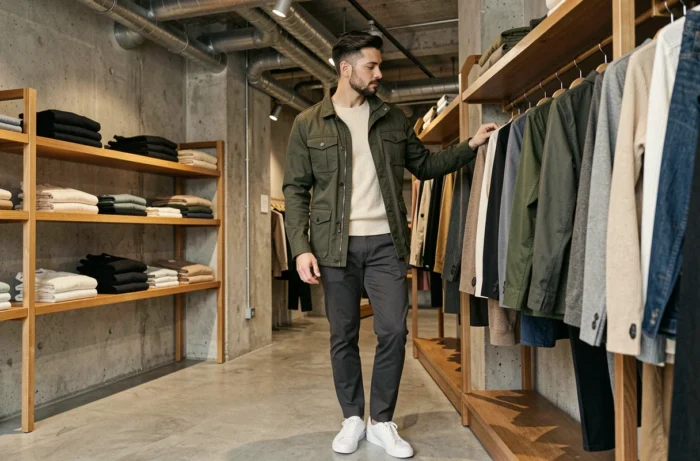
Tweed and Structured Materials: The Key Fabric of the Autumn Season
According to Tagwalk’s analysis, tweed shows a 491% increase in presence on the autumn-winter 2026-2027 runways compared to previous seasons. This figure places this material far ahead of all others in terms of growth.
Tweed is not a new fabric, but its massive return this season can be explained by its compatibility with sustainability requirements. It is a dense, durable, and easily recyclable material, which aligns with the constraints that the ESPR regulation gradually imposes on manufacturers.
How to Incorporate Tweed into a Personal Style
The most accessible piece remains the short jacket, worn over raw denim or tailored trousers. The collections also offer tweed pencil skirts, which themselves show a 55% increase on the runways according to Tagwalk.
- The tweed jacket is worn open over a fine turtleneck to break the overly classic look of the fabric
- A tweed pencil skirt works well with flat ankle boots, anchoring the silhouette in a more everyday rather than strictly formal register
- Tweed accessories (bags, headbands) allow you to adopt the trend without investing in a major piece
Fitted Silhouettes: Tapered Trousers and Body-Hugging Cuts
The tapered trousers register a 308% increase on the runways this season, also according to Tagwalk. This piece, recently popularized by Victoria Beckham, fits into the athleisure trend that blends sportswear lines with dressed wardrobes.
The tapered trouser replaces wide-leg pants as the dominant silhouette of the season. This shift marks a change in cycle: after several years of oversized cuts, volumes are tightening. The overall line of autumn-winter 2026 looks plays on the contrast between a structured top (aviator jacket, padded blazer) and a fitted bottom.
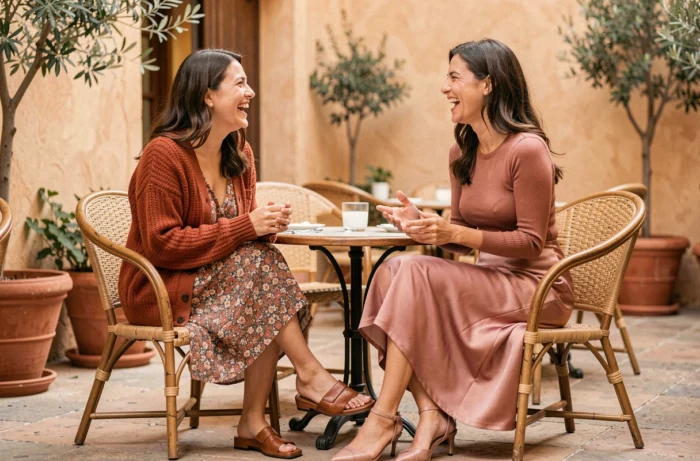
Pairing Tapered Trousers Without Falling into Total Sportswear Look
The risk of tapered trousers is creating a silhouette that is too casual. To avoid this pitfall, stylists combine them with strong-textured pieces: smooth leather, suede, or indeed tweed. The bomber jacket, up 146% on the runways, is a logical complement. Its short cut balances the narrow line of the tapered trousers.
The associated colors remain subdued this season: khaki, burgundy, brown, and gray dominate. Some brighter touches appear in accessories, but the autumn palette favors natural and muted tones.
Sustainable Wardrobe and Seasonal Style: Making Fashion Purchases Wisely
The convergence between European regulation and runway trends creates a new situation. The most worn pieces this season (tweed, leather, thick denim) are also those that exhibit the best material longevity. This is no coincidence: brands anticipate the obligations of the digital product passport by steering their collections towards traceable and recyclable materials.
- Opting for a tweed jacket or a leather bomber rather than a piece with a seasonal print allows you to keep the item for several autumns
- Unsold stock reintroduced into circulation thanks to the ESPR regulation offers the opportunity to find quality pieces at discounted prices, in outlets or second-hand
- Animal print, up 94% on the runways, remains a riskier choice in terms of stylistic durability: it works better as an accessory than as a main piece
Extra-long sleeves, another trend identified by Tagwalk with a 78% increase, illustrate a cut detail that can be integrated discreetly. On a sweater or jacket, they elongate the silhouette without imposing an entire look.
The autumn-winter 2026-2027 season stands out for this dual reading: strong aesthetic codes on the runways, and a regulatory framework that encourages buying less but better. The mandatory transition to the digital passport for textiles, expected between 2027 and 2029, will further reinforce this logic. The pieces purchased this season may be the first to have to justify their traceability upon resale.