
A homemade recipe, in the strict culinary sense, refers to a preparation made from raw ingredients, without resorting to ultra-processed products or ready-to-use industrial bases. Revamping your meals does not require mastering complex techniques: it is more about modifying a few preparation habits to enhance flavor and control over what you eat.
Cooking in advance and quick assembly: the foundation of a successful homemade meal
The main barrier to home cooking remains the time available during the week. The most effective solution is batch cooking, which involves preparing several components in one session to assemble them differently over the days.
Specifically, cooking a large quantity of pasta, rice, or quinoa on Sunday allows for three to four distinct meals. The same batch of pasta becomes a cheese pasta bake on Monday, a cold salad with parmesan and grilled vegetables on Tuesday, and then a ham stir-fry on Wednesday.
This assembly logic transforms daily cooking into a combination exercise rather than a repetitive chore. The key lies in the variety of sauces and toppings, not in multiplying the bases. By exploring the homemade recipes on 3 Coups 2 Fourchette, you will find preparations designed for this type of modular organization.
Homemade sauces for pasta and gratins: three preparations that change everything
A dish of pasta or a gratin shifts from mundane to delicious thanks to its sauce. Industrial versions often contain thickeners, added sugars, and flavors that standardize the taste. Making your own sauce rarely takes more than fifteen minutes.
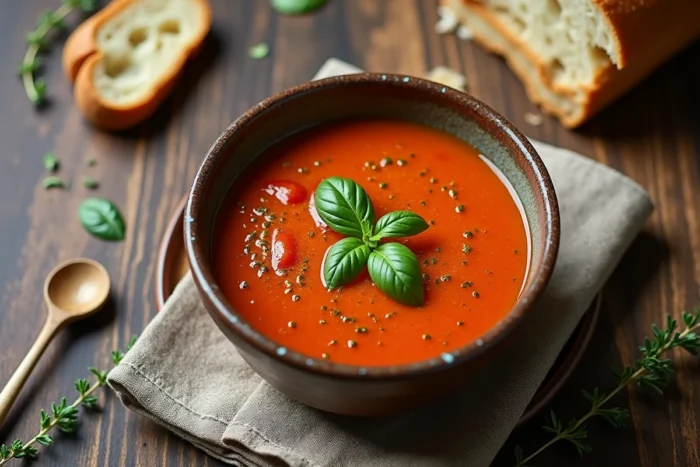
Express vegetable tomato sauce
Sauté a chopped onion and a clove of garlic in a drizzle of olive oil, add crushed tomatoes (fresh in summer, canned the rest of the year), and let reduce for about ten minutes. Season with basil, salt, and pepper. This sauce keeps for several days in the refrigerator and adapts to everything: pasta, quiche, gratin base.
Light béchamel for gratins
Melt a knob of butter, stir in flour, then gradually pour in milk. Adding grated cheese like parmesan at the end of cooking is enough to transform a simple vegetable gratin into a comforting dish. The amount of cheese allows you to control the richness of the dish according to taste.
Quick creamy sauce with fresh cheese
Mix fresh cheese with a bit of pasta cooking water, pepper, and fresh herbs. The result gives a creamy texture without the heaviness of traditional cream. The fresh cheese melts into the hot pasta without additional cooking, making it a perfect option for busy evenings.
Quiche and gratin recipes: complete dishes with few ingredients
Quiche and gratin are among the most suitable dishes for effective homemade cooking. Their common principle relies on a binding mixture (eggs, cream, or milk) that aggregates simple ingredients into a complete meal.
For a quiche, the filling varies according to what is left in the refrigerator. Here are a few combinations that work particularly well:
- Ham and grated cheese, the classic that appeals to all ages and requires no pre-cooking of the filling
- Leeks melted in butter with a hint of blue cheese, for a version with a stronger flavor suitable for the cold season
- Seasonal vegetables (zucchini, tomatoes, peppers) with herbs de Provence, ideal in summer when you want a light meal
Homemade shortcrust pastry requires only flour, butter, and water. Preparing it yourself takes five minutes and significantly improves the texture compared to store-bought pastry. You can also replace it with a sheet of brick to lighten the result.

The gratin follows the same assembly logic. A vegetable gratin works with almost any available vegetables, provided they are cut into even slices for uniform cooking. The béchamel described above, poured on top, ensures the binding and browning.
Weeknight dishes with vegetables: adapting recipes to the season
Cooking at home with seasonal vegetables offers a double advantage: reduced cost and more pronounced flavor. Vegetables harvested at maturity do not need complex seasonings to be tasty.
In winter, squashes, cabbages, and roots (carrots, parsnips, turnips) naturally lead to stews, thick soups, and gratins. A squash velouté requires only three ingredients: squash, an onion, and broth.
In summer, tomatoes, zucchini, and eggplants lend themselves to cold or warm preparations that avoid overheating the kitchen. Composed salads, thin tarts, and grilled vegetables make complete meals without turning on the oven for long.
- Favor one or two main vegetables per dish rather than multiplying ingredients, which simplifies shopping and concentrates flavors
- Keep clean peels (carrots, zucchini, onions) to prepare a homemade broth that will serve as a base for other recipes during the week
- Roast a large tray of assorted vegetables in the oven at the beginning of the week to later incorporate them into pasta, quiches, or salads
Seasonality also guides the choice of accompanying cheeses and herbs. Grated parmesan enhances a winter dish, while crumbled feta is better suited for summer preparations.
Revamping your everyday meals does not require searching for spectacular recipes. Three mastered sauces and a seasonal assembly logic are enough to vary pleasures over several weeks. The Sunday night gratin, Tuesday’s quiche, and Thursday’s pasta change their appearance as soon as the sauce and topping evolve with what is available.