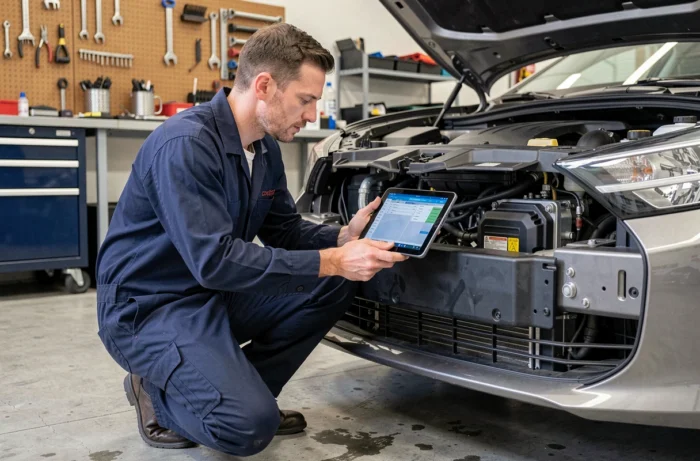
We’ve been driving for several months with an e-DCS6 gearbox paired with the 1.2 PureTech three-cylinder mild hybrid with a 48 V system, and the question has changed. We assessed shift comfort during the first few weeks. What matters now is being able to distinguish normal mild-hybrid behavior from a genuine mechanical issue or software calibration that could be improved.
How the e-DCS6 gearbox behaves on the road: what’s normal
In town, the dual-clutch transmission works constantly with the 48 V starter-generator. The result: slight interruptions when pulling away and transitions between electric and combustion-engine modes that you can feel through the steering wheel and seat. After a few months, you learn to recognize them without thinking about it.
On country roads and highways, gear changes become almost imperceptible above 50 km/h. The gearbox shifts smoothly through all six gears, and fuel consumption settles at reasonable levels for a hybridized three-cylinder engine. The key point: slight hesitation at low speeds is part of the normal operation of the 48 V mild-hybrid system, not a transmission fault.
We were able to take a closer look at the everyday reliability of the e-DCS6 gearbox and found that distinguishing expected behavior from a genuine fault remains the first thing to learn with this powertrain.

Jerks and hesitation: software calibration or mechanical fault in the e-DCS6?
A jerk when maneuvering into a parking space with a cold engine is not the same as a repeated clunk when shifting up with the engine warm. The e-DCS6 is part of a hybrid system in which the transmission, electronic controls and 48 V system interact. Abnormal behavior can come from any of these components, not just the gearbox itself.
What a software update can fix
Some updates improve smoothness at low speeds, particularly when pulling away on a hill and during transitions between combustion-engine and electric power in heavy traffic. This involves recalibrating the clutch engagement points and the engine shut-off strategy.
However, an update cannot repair a mechanically damaged part. If the clutch plates show abnormal wear or the mechatronics unit is showing signs of fatigue, only physical repairs will solve the problem.
When to request a specialist diagnosis
A common mistake is to apply conclusions drawn from a conventional automatic or another dual-clutch gearbox to the e-DCS6. Tolerance thresholds, shift strategies and interaction with the 48 V system are specific to this transmission. Requesting a diagnosis that takes the exact powertrain into account (model, year, VIN) helps avoid unnecessary repairs.
- Occasional jerk when cold during the first few yards: generally normal, related to hydraulic pressure building up
- Repeated hesitation between first and second gear in town: may be resolved by software recalibration
- Persistent clunking or vibration when warm under load: requires a mechanical inspection of the dual clutch and mechatronics unit
Real-world fuel consumption after several months with the e-DCS6 transmission
The promise of a 48 V mild-hybrid three-cylinder engine paired with a six-speed gearbox is restrained fuel consumption. In practice, results depend heavily on driving style and the type of journey.
In mixed driving (urban and suburban), fuel consumption is noticeably higher than the official figures, as is the case with most mild hybrids. On steady highway drives, the gap narrows because the 48 V system contributes little: engine efficiency and the gearbox’s ratios are the main factors.
The real fuel savings are seen in town, when pulling away and driving at very low speeds, where the starter-generator assists the combustion engine. On the road, the advantage over a conventional manual gearbox remains modest.
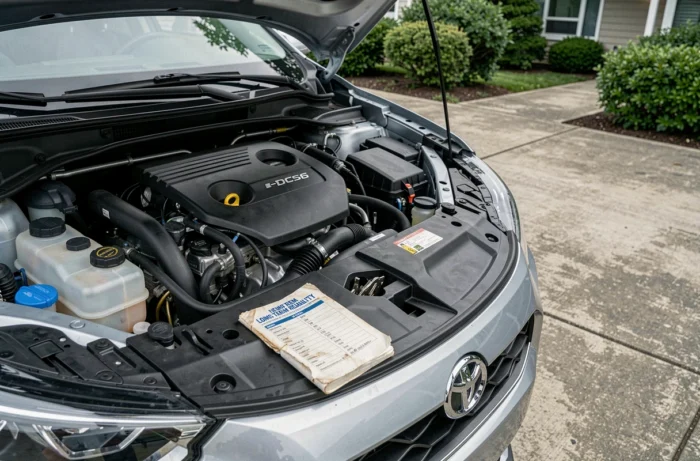
e-DCS6 reliability: what real-world reports can tell us
User reports on forums and in reliability databases provide an indication, but they do not represent a statistically reliable failure rate. Long-term data on this transmission remains limited, so it would be misleading to derive a failure percentage from it.
What we can say is that the reported cases mostly involve calibration issues (resolved by an update) rather than major mechanical failures. Repairs to the mechatronics unit and clutch replacements do occur, but their actual frequency cannot be measured using the public data currently available.
Maintenance: don’t apply another gearbox’s service intervals
Oil and maintenance requirements vary by transmission and vehicle. Applying a fluid-change interval for another dual-clutch gearbox to the e-DCS6 could accelerate wear or, conversely, lead to unnecessary expense. The only reliable reference is the maintenance schedule for the specific model and VIN.
- Check the manufacturer’s recommendation for gearbox oil (type and interval) in the maintenance schedule or through the official dealer network
- Don’t follow generic advice found online for DCT gearboxes from other brands
- Report any change in behavior (noise, hesitation, vibration) to the technician, specifying exactly when it occurs
After several months, the e-DCS6 gearbox presents a mixed picture. Driving comfort improves as you learn to read its responses, and fuel consumption lives up to expectations, especially in town. The key skill to develop with this transmission is knowing how to distinguish a characteristic of the 48 V mild-hybrid system from a symptom that warrants a visit to the workshop.